
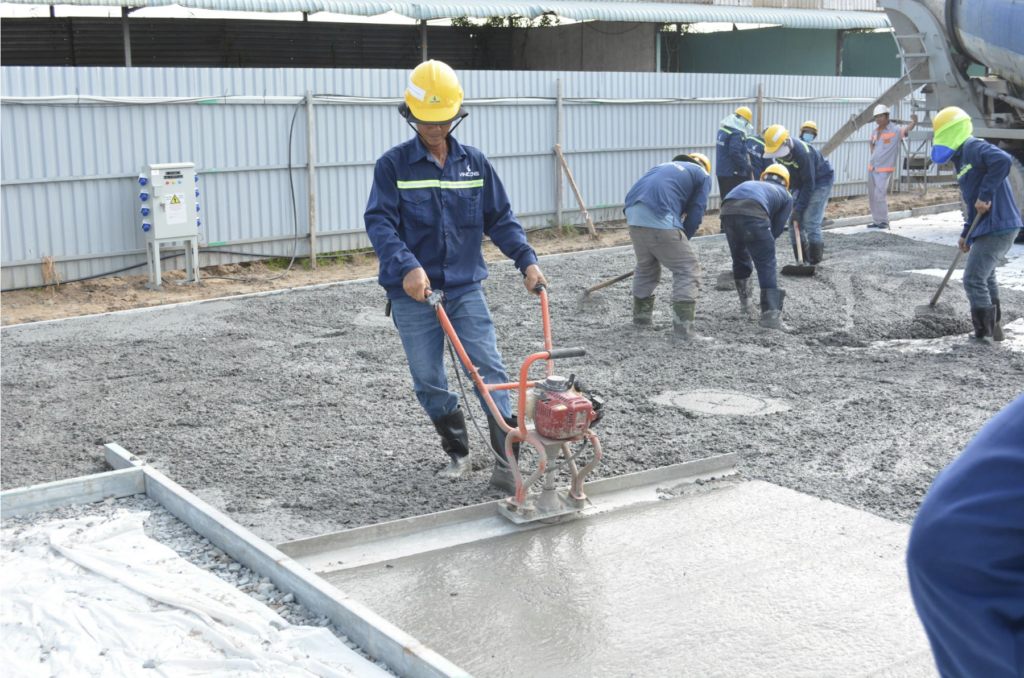
Concrete patio installers and driveway crews see the same thing on service calls over and over: small cracks ignored for a couple of years that now need full replacement instead of a quick fix. A chip here, a lifted corner there, nothing that felt urgent at the time.
Then winter hits, water gets in, ice expands, and suddenly the repair bill has a comma in it. Timely driveway repair isn’t about being fussy. It’s about catching problems while they’re still cheap to fix, and it keeps your property safer and more valuable in the process.
Let’s go through why repairs matter sooner than people think, what the warning signs actually look like, and how to tell when a patch will do versus when you need something bigger.
Why Small Problems Don’t Stay Small
Concrete is tough, but it’s not invincible. Every crack that opens up is a door for water. Water seeps in, freezes overnight in cold months, expands, and pushes the crack wider. Next thaw, more water gets in. That cycle is called freeze-thaw damage, and it’s the number one reason driveways go from minor cracks to major failures.
The same thing happens under the slab. Water sneaking through surface cracks reaches the base, washes out fines from the gravel, and creates voids. The slab starts settling into those voids, which causes more cracking and sometimes lifts or tilts entire sections.
Experienced concrete patio installers deal with this same dynamic on patios, which is why crews that handle both services usually push repairs early.
They’ve seen how fast a ten-dollar crack filler job becomes a two-thousand-dollar slab replacement when homeowners wait. Any solid team doing concrete driveways work handles repair jobs all the time and can tell you in five minutes whether your situation is still cheap to fix.
Safety Issues People Ignore
Driveways aren’t just aesthetic. They’re surfaces people walk on, park on, and sometimes wheel kids or carts across. Damage creates real hazards.
Lifted edges where slabs have shifted become trip hazards, especially at night. Kids running to the car, delivery drivers, older relatives, anyone who doesn’t know the driveway well is at risk. Liability isn’t theoretical either. If someone falls on your property because of a known hazard you didn’t address, that’s on you.
Potholes and deep cracks catch car tires, bike wheels, and strollers. Pooled water from poor drainage turns into ice sheets in winter. Crumbling surfaces shed chunks of concrete that end up in lawn mowers or under tires.
None of this is dramatic stuff, but it’s the kind of wear that builds up fast if ignored. The same attention crews give to finished concrete patios should really apply to driveways too because the safety stakes are just as real.
Warning Signs Worth Acting On
Not every mark on your driveway means crisis. Hairline cracks are normal and usually cosmetic. But there are specific signs that say fix it now.
Cracks wider than a quarter inch. At that width, water is getting in and damage is accelerating. Sealing the crack stops the bleeding before it spreads.
Cracks that form patterns. Alligator cracking, where the surface breaks into interconnected shapes, usually means the base underneath has failed. Surface patching won’t fix that. You need a contractor to look at what’s happening underneath.
Sunken or lifted sections. If one slab has dropped or tilted relative to the others, something is moving underground. Sometimes that’s fixable with mudjacking or polyjacking, where material is pumped under the slab to lift it back. Sometimes it means replacement.
Pooling water. Water that collects on the surface after rain means the slope has failed somewhere, either from settling or from original grading that wasn’t right. Fix drainage before winter freezes the puddle into ice.
Surface flaking or spalling. When the top layer starts peeling or chunking off, the concrete has lost its protective skin. Resurfacing can save the slab if caught early. Wait too long and you’re looking at replacement.
Rust stains near cracks. If rebar inside the slab is rusting, you’ll see orange streaks bleeding through. Rusting rebar expands and pushes the concrete apart from inside. That’s a structural issue, not cosmetic.
Repair Options at Different Levels
What to do depends on what’s wrong. Here’s roughly how it breaks down.
Crack sealing. For cracks under a quarter inch, a flexible polyurethane or epoxy sealant closes them up and blocks water. This is a cheap fix that buys years of extra life. Homeowners can do small jobs themselves, though concrete patio installers and similar crews will handle it as part of bigger visits.
Resurfacing. If the surface is worn, spalled, or faded but the slab underneath is still solid, a thin cementitious overlay can restore the driveway. This works great when structural concrete is sound but looks rough. Crews experienced with decorative concrete often offer resurfacing that also upgrades the look at the same time.
Mudjacking or polyjacking. For sunken slabs where the concrete itself is still intact, this technique lifts sections back to level by pumping material underneath. Much cheaper than replacement, and done well it lasts years.
Partial replacement. If one section has failed but the rest of the driveway is solid, replacing just that section is possible. Matching the color can be tricky on older slabs, but functionally it works well.
Full replacement. When damage is widespread, structural, or the base has failed, replacement is usually the smart move. Fighting to patch a dying driveway wastes money. At some point, new is cheaper than another round of repairs.
Cost Versus Delay
Here’s the math that convinces most homeowners to act sooner. A crack sealed at the right time might cost fifty to two hundred dollars. The same crack ignored for three winters becomes a structural issue that could run two to five thousand to fix. Sunken slab lifted early might run a few hundred. Replaced later, thousands.
Timing matters a lot more than people realize. Fall is usually a good season to check for issues because any damage will be worse by spring after the winter cycle. Teams that handle driveways patios often schedule repair visits in fall for exactly this reason.
J&W Contract Services and crews like them handle repair calls alongside new installs, which means you can usually get an honest read on whether your driveway needs fixing now, later, or full replacement, without upsell pressure.
Maintenance That Prevents Most Repairs
The best driveway repair is the one you never have to do. A few habits keep things in shape.
Seal the driveway every two to three years. Penetrating sealers work best and protect against water infiltration.
Address cracks as soon as you spot them. A ten-minute job with sealant in spring saves you a major repair in year five.
Avoid de-icing salts when possible. They eat into concrete and accelerate surface damage. Sand or kitty litter for traction works without the chemical damage.
Keep heavy vehicles off the edges. Driveways fail at the edges first because they’re unsupported. If you have a trailer or RV, try to park centered on the slab.
Watch the drainage. If gutters are dumping water onto the driveway or water pools after rain, fix that before it fixes itself the hard way.
Frequently Asked Questions (FAQs)
1. How Do I Know If a Crack Is Serious?
Width is the main indicator. Anything under a hairline is usually cosmetic. Quarter inch or wider, branching patterns, or cracks with lifting or settling nearby all deserve a contractor look.
2. Can I Repair a Driveway Myself?
Small crack sealing, yes. Beyond that, most DIY repairs either don’t last or make the problem worse. Resurfacing, mudjacking, and structural repairs all need pro equipment and skill.
3. How Long Does a Repair Job Take?
Crack sealing takes a few hours. Resurfacing runs one to two days plus cure time. Mudjacking is usually a day. Full replacement takes two to five days of work plus weeks of cure time before full use.
4. Will Patches Match the Rest of the Driveway?
Not exactly. New concrete is always slightly different in color from aged concrete. Over a year or two the colors blend, but expect some visible difference initially, especially on colored or stamped surfaces.
5. When Should I Replace Instead of Repair?
When repairs cost more than half of a full replacement, or when the base underneath has failed. A good contractor will tell you honestly when you’ve hit that point.
Catching small issues early is the cheapest route to a driveway that lasts, which is exactly the mindset concrete patio installers and other seasoned crews bring to every project they touch.