
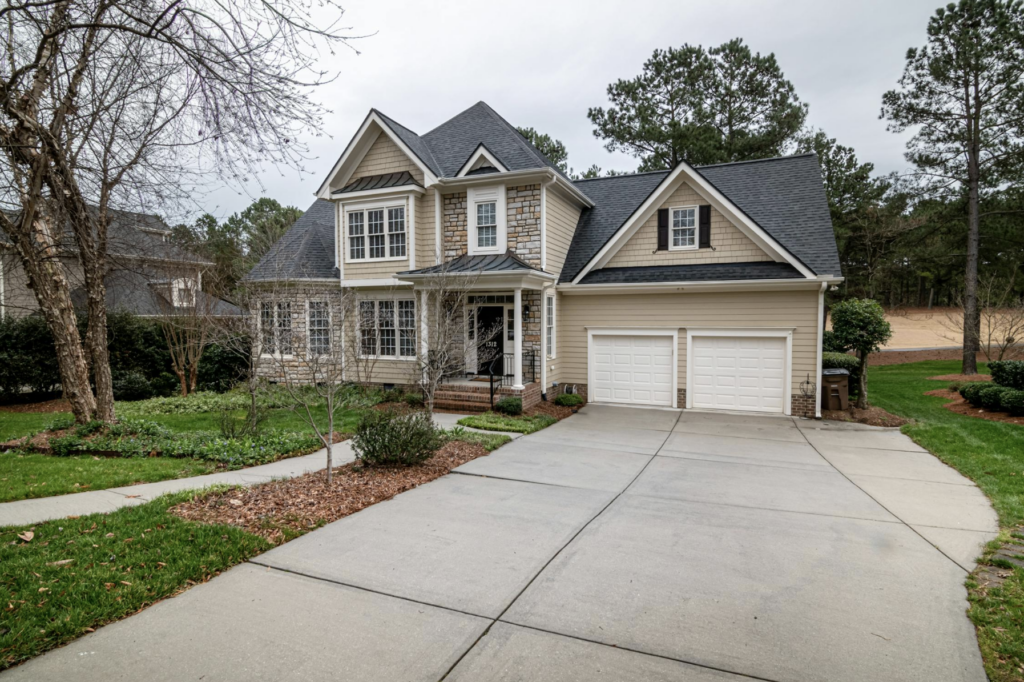
Residential concrete services cover a lot of ground, but coatings are one of the most underrated options homeowners run into. Most people think of coatings as something you slap on a garage floor and call it a day, which really undersells what they do.
The right coating turns a rough, stained, or tired-looking slab into something that protects itself for years and actually looks good doing it. Whether it’s a driveway, patio, garage, or basement floor, a coating is often the difference between a surface that ages well and one that falls apart.
Let’s walk through what coatings actually are, what each type does, and how to pick the right one for your property.
What Coatings Actually Do
Concrete is porous. That’s the first thing to understand. The surface looks solid, but water, oil, salt, and chemicals soak right in if nothing is blocking them. Once they’re in, they break the concrete down from the inside out. Cracks widen. Spalling starts. Rebar underneath rusts and expands.
A coating seals the surface. Some sit on top like paint. Some soak in and harden inside the pores. Either way, the job is the same: keep bad stuff out so the slab underneath can do its job.
Beyond protection, coatings add visual options. You can add color, texture, patterns, flakes, metallic finishes, or high-gloss shine. It’s the cheapest way to upgrade how a concrete surface looks without pouring new concrete.
Most residential concrete services that include flatwork also offer coating options because the two go together naturally. Teams doing full concrete driveways work often coat, seal, or stain as part of the finish process.
The Main Coating Types
There are five or six coating categories homeowners actually deal with. Each has its use.
Acrylic sealers are the most common and the most affordable. They sit on top of the concrete and provide decent water and stain resistance. Good for driveways and patios where you want basic protection without a huge budget.
They need reapplication every two to three years. Acrylic finishes also come in matte, satin, or wet-look gloss, which changes how the concrete reads visually. Many residential concrete services start with acrylic options because they’re budget-friendly and deliver solid value.
Epoxy coatings are the heavy hitters. Two-part systems that bond hard to the concrete and create a thick, chemical-resistant, impact-resistant layer. Garage floors, workshops, and commercial spaces love epoxy. It handles oil, gasoline, dropped tools, and hot tires without damage. It’s more expensive and takes proper prep, but done right it lasts ten to twenty years.
Polyaspartic coatings are the newer premium option. Similar to polyurethane but they cure fast, stay clear for longer, and don’t yellow in sunlight. Great for outdoor applications where UV would kill a lesser coating. Expensive, but the best long-term play for patios and driveways that see a lot of sun.
Penetrating sealers don’t really coat in the traditional sense. They soak into the concrete and chemically bond inside the pores. Nothing sits on the surface, so the look barely changes, but protection goes deep. These are the go-to for driveways in cold climates because they defend against freeze-thaw damage without adding a slippery top layer.
Stains and dyes add color that becomes part of the concrete rather than sitting on top. Acid stains give rich, variegated tones. Water-based dyes offer broader color choice with more consistency. Usually paired with a topcoat sealer to lock everything in. A good stamped concrete project often uses staining alongside the patterned finish to boost depth and realism.
Decorative overlays deserve a mention even though they’re thicker than typical coatings. A thin cementitious overlay can be troweled, stamped, or scored to completely change the look of an existing slab without replacement.
Useful when the concrete underneath is structurally fine but cosmetically tired, and most residential concrete services offer overlays as part of their repair and upgrade menu.
Where Coatings Pay Off Most
Different surfaces benefit from different coatings, and picking right matters.
Driveways take the most punishment. UV, rain, snow, oil, salt, and vehicle weight all hit daily. A good penetrating sealer plus a decorative topcoat is usually the best mix. Skip cheap acrylics if your winters are harsh. They chalk and peel fast under freeze-thaw stress.
Patios care more about looks and comfort underfoot. Stained concrete with a satin acrylic sealer is a popular combo. If the patio sees a hot tub or outdoor kitchen, step up to polyaspartic for the chemical and heat resistance. Residential concrete services working on patios almost always recommend a sealer or stain as part of the install.
Garage floors are where epoxy earns its reputation. The chemical resistance handles oil drips, the hardness handles dropped wrenches, and decorative flake finishes hide stains even better. One coat done well can outlast the car you park on it.
Basement floors benefit from moisture-blocking coatings. Water vapor rising through concrete is a common problem, and the wrong coating will bubble up within months. Pick products rated for below-grade use, and consider a moisture test before starting.
Pool decks and walkways need slip resistance. Textured sealers or coatings with aggregate additives give traction while still looking clean. A lot of residential concrete services handle pool decks as a specialty category because the requirements are different from other flatwork.
Prep Work Is Half the Job
Here’s what separates coatings that last from coatings that peel in a year: surface prep. You can buy the best epoxy on the market, and if the concrete wasn’t prepped right, it’ll fail.
Proper prep means cleaning the surface thoroughly. Oil, grease, old sealer, and dirt all have to come off. Then the concrete has to be opened up, either by acid etching, diamond grinding, or shot blasting. This creates a rough profile the coating can grip. Smooth, sealed concrete sheds coatings like water off a duck.
Cracks and chips need repair before coating. Otherwise they telegraph right through and grow under the new finish. Moisture testing matters too. Concrete that’s too wet underneath will push coatings off from below.
This is where hiring matters. Crews doing professional decorative concrete work have the prep equipment and the process down. DIY coating jobs fail more often than they succeed for exactly this reason. People skip the boring prep and wonder why the finish flakes off in six months.
Maintenance and Longevity
One of the nicer things about coatings is how little upkeep they need.
Clean surface coatings with mild soap and water. Avoid harsh solvents that can attack the finish. A soft broom or leaf blower handles most outdoor maintenance. Pressure washing is fine for concrete underneath but be careful with the PSI on coated surfaces, especially decorative ones.
Reapply topcoats on schedule. Acrylics every two to three years. Penetrating sealers every five to ten depending on the product. Epoxy and polyaspartic systems can go a decade or more before needing attention.
Address damage fast. A chip or scratch in a coating lets water start working on the concrete underneath. Touch-up kits exist for most systems, and small repairs take minutes.
J&W Contract Services and similar crews that handle a full range of residential concrete services will usually tell you upfront what the maintenance schedule looks like for the system they install, so there’s no guesswork later. A good contractor also handles driveways patios together and can coordinate coatings across multiple surfaces for a consistent look.
Picking the Right System
A few quick filters help narrow the choice. What’s the surface used for, how much traffic does it see, does it face UV, is moisture an issue, and what’s the budget for maintenance down the line?
Driveways leaning hot and sunny want polyaspartic or penetrating sealers. Driveways in cold climates want penetrating products that handle freeze-thaw. Patios want whatever balances looks and traction for your setup. Garages want epoxy unless you’re chasing a premium finish, in which case polyaspartic wins.
Budget matters too. Acrylic sealers are cheap upfront but cost more over time because of reapplications. Epoxy and polyaspartic cost more upfront but maintenance is minimal. Penetrating sealers are a middle ground: affordable and long-lasting, though they don’t change the look much.
Good residential concrete services will lay all these tradeoffs out before you commit, so you know what you’re paying for and what the long-term costs really look like.
Frequently Asked Questions (FAQs)
1. How Long Does a Concrete Coating Last?
Depends on the type. Acrylic sealers last two to three years. Epoxy runs ten to twenty. Polyaspartic can go fifteen plus. Penetrating sealers last five to ten. Proper prep and application determine whether you hit the high or low end of each range.
2. Can I Coat My Own Concrete?
Small projects, yes, if you do the prep right. Larger jobs or premium systems like polyaspartic and commercial epoxy really need pros with the grinding equipment and experience to avoid common failures.
3. Will a Coating Hide Existing Cracks and Stains?
Some will, some won’t. Thick overlays can cover cracks. Thin sealers will let cracks show through. Staining can camouflage minor discoloration, but deep stains often need grinding or overlays to fully mask.
4. Are Coatings Slippery When Wet?
Smooth coatings can be. Textured versions, or adding a slip-resistant additive to clear coatings, handles the issue. Always ask about slip resistance for outdoor or wet-area installs.
5. How Soon Can I Use a Newly Coated Surface?
Foot traffic is typically fine in twelve to twenty-four hours. Vehicles need to wait three to seven days depending on the product. Follow the contractor’s timeline to avoid wrecking the finish before it fully cures.
Coatings turn ordinary concrete into surfaces that hold up and look sharp for years, which is exactly what quality residential concrete services are supposed to deliver.