
Figuring out the concrete driveway cost before you start the project is probably the smartest move you can make as a homeowner. Nobody wants to get halfway through a quote call and realize the number is double what they expected.
And nobody wants to lock in the lowest bid only to watch the slab crack a year later because corners got cut. A driveway is one of those things you install once and live with for decades, so the money side of it deserves a real conversation, not a quick guess.
Let’s break down what actually shapes the price, where the real value sits, and how to avoid paying for stuff you don’t need while still getting a driveway that holds up.
What Actually Shapes the Concrete Driveway Cost
The quote you get isn’t pulled out of thin air. A handful of factors push the number up or down, and once you see them laid out, comparing estimates becomes a lot easier.
Square footage is the biggest driver. Most homeowners end up paying somewhere between eight and fifteen dollars per square foot for a standard pour, though local labor rates and material costs shift that range.
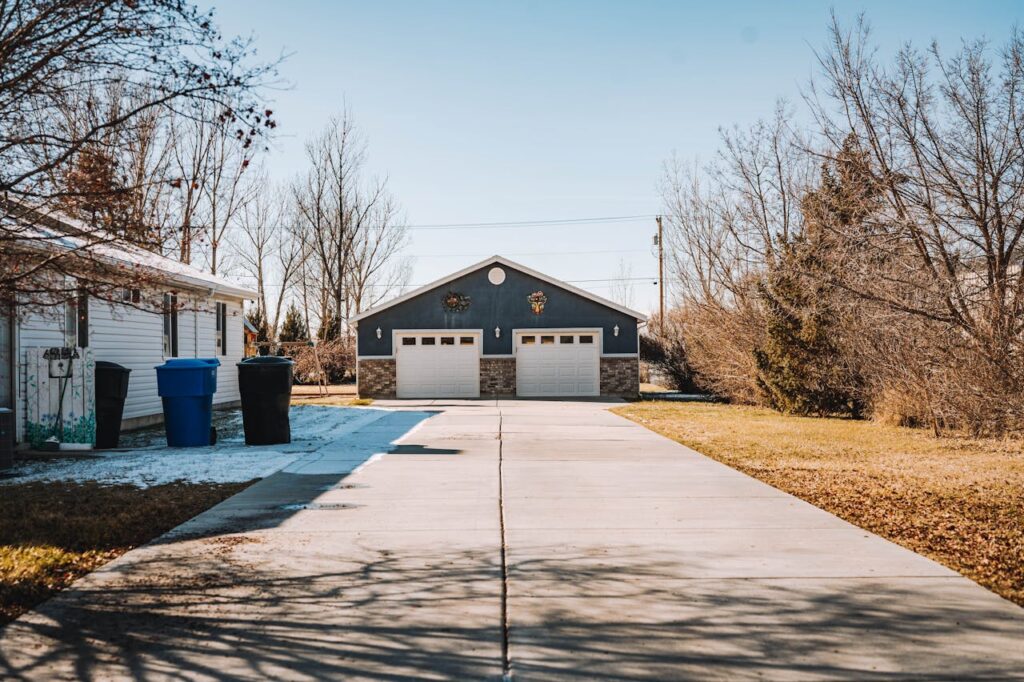
A basic two-car setup usually lands between four and seven thousand. Longer or wider layouts climb from there, and triple-width driveways or ones that wrap around the house can easily push into five figures.
Thickness is next on the list. Four inches is standard for passenger vehicles. If you’ve got a truck, RV, or heavy trailer parked out there often, you’re looking at six inches minimum. That extra two inches adds to the material and labor total, but it saves you from cracks down the line, which keeps your long-term concrete driveway cost way lower than a cheap thin pour.
Site prep rounds out the big three. Tearing out an old slab, grading a sloped yard, or improving poor soil with a thicker gravel base all add to the bill. These aren’t upsells. They’re what keeps the driveway from shifting a year in.
Any solid crew offering full concrete driveways work will handle this prep as part of the job because skipping it is where budget installs usually fall apart. A rushed base is the number one reason homeowners end up calling someone back to redo work they already paid for.
Finish and Design Choices That Change the Bill
Plain gray concrete is the most budget-friendly option, and there’s honestly nothing wrong with it. It’s clean, it’s durable, and it does its job. But if curb appeal matters to you, finish choices change the math pretty quickly.
Stamped concrete, which mimics brick, stone, or tile patterns, typically adds eight to fifteen dollars per square foot on top of the base cost. Colored or stained concrete sits somewhere in between.
Exposed aggregate, where the top layer gets washed to reveal decorative stones, runs in a similar bracket. Broom-finished concrete, which is the most common texture on driveways, is usually included in the base price and gives you decent slip resistance without adding a premium.
These upgrades aren’t just about looks. A good finish improves traction, hides minor surface wear, and keeps the driveway looking fresh much longer. If you live in a neighborhood where stamped patterns are common, a crew that specializes in decorative concrete can match what buyers in the area expect to see.
That’s a real resale factor, not just vanity. Homes that stand out for the right reasons tend to spend less time on the market.
Hidden Expenses Most People Don’t Expect
A few line items catch homeowners off guard when they’re pricing out the concrete driveway cost for the first time. Permits, depending on the city, can run anywhere from fifty to a few hundred dollars.
Disposal fees for hauling off the old driveway add up fast if there’s a lot of material to move. And if utility lines sit close to the surface, you may need a pro to mark or reroute them before anyone breaks ground.
Reinforcement is another one people underestimate. Rebar or wire mesh inside the slab adds modest cost but dramatically extends the lifespan, especially in regions with freeze-thaw cycles. Sealing is the last piece. It should happen a few weeks after the pour and then every few years after that. Compared to crack repair, sealing is dirt cheap, so never skip it.
Drainage is worth mentioning too. If your property slopes toward the house or your current driveway pools water, a proper install includes grading the slab so runoff moves away from the foundation. That might mean adding a small trench drain or channel, which bumps the total but prevents water damage that costs far more to fix later.
Why the Long-Term Math Works Out
Here’s where the concrete driveway cost really starts to make sense. A properly installed concrete driveway lasts thirty to forty years with basic upkeep. Compare that to surfaces that need resurfacing or full replacement every ten to fifteen years, and the per-year cost leans heavily toward concrete.
Maintenance is minimal too. Occasional sealing, patching small cracks before they spread, and keeping de-icing salts off the surface during winter when possible.
That’s pretty much it. There’s no annual resealing routine like some materials need, and no major overhaul halfway through its life. A quick pressure wash once or twice a year keeps it looking newer than it is, and most oil stains lift with a basic degreaser if you catch them early.
Resale value is the other piece. A clean, well-kept driveway is one of the first things buyers notice when they pull up. Homes with fresh concrete flatwork, whether it’s a driveway or walkway from a trusted concrete contractor, tend to show better in listings and appraisals.
You’re not just buying a surface. You’re buying curb appeal that pays you back when it’s time to sell.
How to Get an Accurate Quote
Ballpark numbers are useful for planning, but every yard is different. When you’re ready for a real estimate, make sure the quote spells out the square footage and slab thickness, whether demolition and haul-away are included, the base material type and depth, reinforcement method, finish type and sealer, and expected cure time before you can drive on it.
If a contractor hands you one vague number without breaking it down, that’s your cue to ask more questions or keep looking. Local crews doing work in places that focus on driveways patios often price things differently based on access, slope, and existing site conditions, so a walk-through matters a lot more than a phone quote.
The right estimate is detailed enough that you know exactly what you’re paying for, with no mystery line items hiding in the total.
Get at least two or three quotes before committing. Not to chase the lowest price, but to see how contractors approach the job. The one who asks more questions, spends more time on the walk-through, and explains their reinforcement and base plan in plain language is usually the one worth hiring, even if their concrete driveway cost sits a bit higher than the cheapest bid.
At J&W Contract Services, the approach is to walk the site, talk through your goals, and give you a number you can actually plan around.
Timing the Project Right
Weather plays a bigger role than most homeowners realize. Concrete cures best in moderate temperatures, ideally between fifty and eighty degrees.
Pouring in extreme heat or freezing conditions is possible but it adds complications and sometimes extra cost for things like heated blankets or chemical additives. Spring and fall are usually the sweet spots for both pricing and quality.
Booking ahead helps too. Good crews get locked up weeks in advance during peak season, and rushing a pour rarely ends well. Plan early, lock in a slot, and you’ll usually get better pricing too. Contractors have more flexibility on schedule and sometimes on price when they aren’t juggling a packed calendar.
Frequently Asked Questions (FAQs)
1. How Long Does a Concrete Driveway Last?
With proper installation and basic maintenance, you can expect thirty to forty years of solid service. Sealing every few years and patching small cracks early makes a big difference in reaching the upper end of that range.
2. Is Concrete Cheaper Than Other Driveway Materials Over Time?
Upfront, concrete usually costs more than gravel or asphalt. But when you factor in the longer lifespan and lower maintenance needs, it almost always ends up cheaper per year over the long haul.
3. Can I Pour a New Driveway Over an Old One?
Generally, no. Overlays work in limited cases, but most pros recommend removing the old slab first so the base can be checked and drainage handled properly. Pouring over damaged concrete often leads to cracks showing through the new surface.
4. How Thick Should My Driveway Be?
Four inches is standard for passenger cars and light trucks. If you’re parking heavier vehicles or trailers regularly, go with six inches. A good contractor will recommend thickness based on how you actually use the space.
5. Do I Need a Permit for a New Driveway?
It depends on your city and whether the project involves changes to curb cuts or drainage. Most contractors handle permit pulls as part of the job, but always ask upfront so there are no surprises on the final invoice.
Planning ahead and asking the right questions is how you keep the concrete driveway cost in check without cutting corners.